Basketball positions and roles form the foundation of team strategy and individual performance. Each player has a specific job based on skill, size, and experience. The five traditional positions—point guard, shooting guard, small forward, power forward, and center—each contribute uniquely to gameplay. Knowing these basketball positions and roles helps players improve their strengths and support teammates effectively. From passing and scoring to rebounding and defense, every role connects to team success.
Moreover, modern basketball has evolved. Positionless play is growing in popularity. However, understanding classic responsibilities still matters. Coaches use them to build lineups. Players rely on them for development. Therefore, mastering basketball positions and roles is essential at all levels.
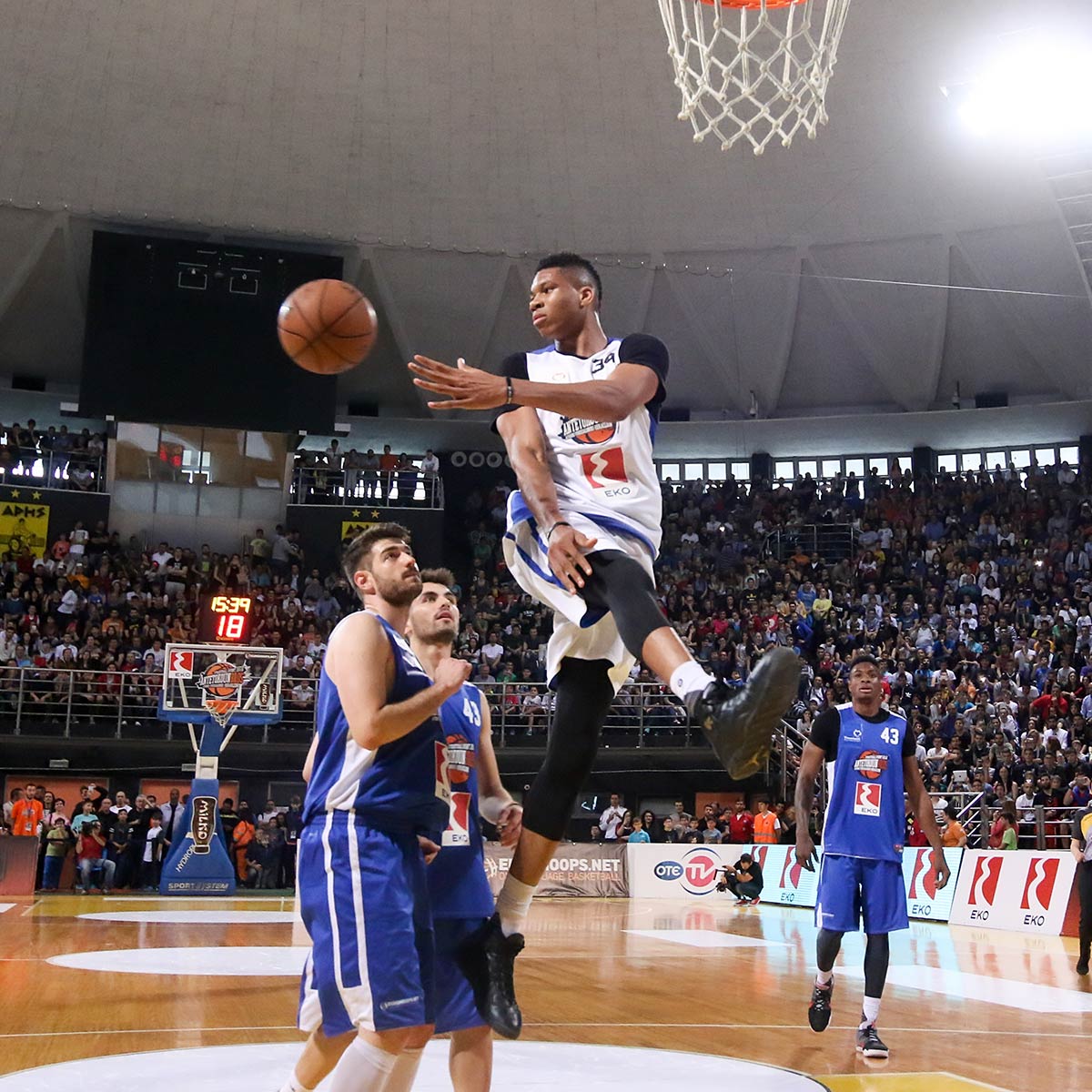 Point Guard: The Floor General
Leadership, Ball Handling, and Playmaking
The point guard is often called the team’s leader. This player controls the tempo and directs plays. First, they bring the ball up the court after each stop. They must handle pressure from defenders without turning it over. Strong dribbling skills are crucial.
Next, their main job is setting up teammates. They pass accurately and make quick decisions. Assists are a key stat for point guards. They read defenses and spot open shooters. Good vision leads to high-percentage shots.
Scoring is secondary but still important. Many top point guards can shoot from long range or drive to the basket. Still, their primary focus remains on creating opportunities for others.
Defensively, they guard the opponent’s best guard. Quick hands help create steals. Constant communication supports team defense.
Leadership extends beyond stats. They encourage teammates during tough moments. They follow the coach’s plan on the floor.
Some famous examples include Magic Johnson, Chris Paul, and Stephen Curry. These players combine skill with intelligence.
Ultimately, a great point guard makes everyone around them better.
Shooting Guard: The Offensive Weapon
Scoring Ability and Off-Ball Movement
The shooting guard is one of the team’s main scorers. Unlike the point guard, they spend less time handling the ball. Instead, they excel at moving without the ball. Cutting to the basket and spotting up for threes define their role.
Shooting accuracy is vital. They must be dangerous from deep. Teams that stretch the floor need reliable three-point threats. When defenders close out, they either shoot or attack the rim.
Catch-and-shoot situations are common. They wait at the wing or corner. Then, they fire quickly after receiving a pass. Timing and rhythm matter most.
They also defend the other team’s top perimeter scorer. Foot speed and lateral movement help stay in front. Some draw charges or force jump shots.
Rebounding is part of their duty too. Though not their focus, they grab loose balls when possible.
Transition offense suits them well. After a steal or rebound, they sprint downcourt. They finish fast breaks with layups or dunks.
Famous shooting guards include Kobe Bryant, James Harden, and Klay Thompson. Each shows elite scoring under pressure.
A strong shooting guard keeps the offense flowing and unpredictable.
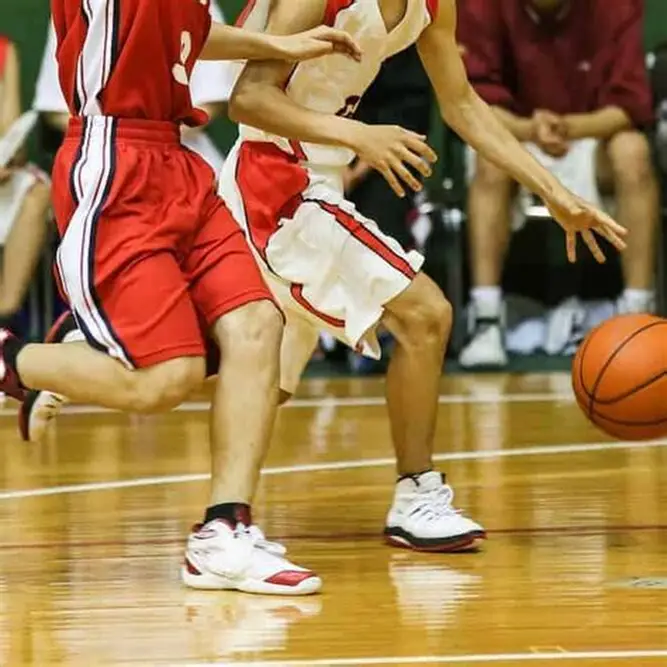 Small Forward: The Versatile All-Around Player
Flexibility Across Both Ends of the Court
The small forward often plays multiple roles. This position requires versatility above all. They must score, defend, rebound, and assist. In many ways, they are the most complete players on the team.
Offensively, they operate from inside and outside. They post up smaller defenders. They also face up and drive past slower ones. Mid-range jumpers and transition finishes are common.
Their size allows matchups against both guards and forwards. This flexibility helps coaches adjust lineups. They switch defensively when needed.
Ball-handling skills vary. Some small forwards initiate offense occasionally. Others focus on finishing plays. Either way, they make smart decisions.
On defense, they cover ground quickly. They guard wings and help in double teams. Their ability to rotate protects the paint.
Rebounding is another strength. They box out and chase loose balls. Their effort sets the tone.
LeBron James and Jayson Tatum are prime examples. They impact every aspect of the game.
A skilled small forward improves team balance and adaptability.
Power Forward: The Inside-Out Threat
Strength, Rebounding, and Stretch Skills
The power forward blends toughness with modern finesse. Traditionally, this player operated near the basket. They battled for rebounds and scored in the post. Today, many stretch to the perimeter.
Their physicality matters. They set hard screens. They fight through contact for offensive boards. Second-chance points come from their effort.
However, new trends favor “stretch fours.” These players shoot threes regularly. Their range pulls big men away from the basket. This opens driving lanes for guards.
Defensively, they protect the paint. They contest shots and block attempts and they communicate switches and rotations.
They also pass well from the high post. Entry passes into the low block keep the offense moving. Smart decision-making enhances team flow.
Some power forwards lead fast breaks. They run the floor like guards. Their stamina surprises opponents.
Examples include Kevin Garnett, Dirk Nowitzki, and Pascal Siakam. Each brought unique strengths.
A strong power forward creates mismatches and dominates the glass.
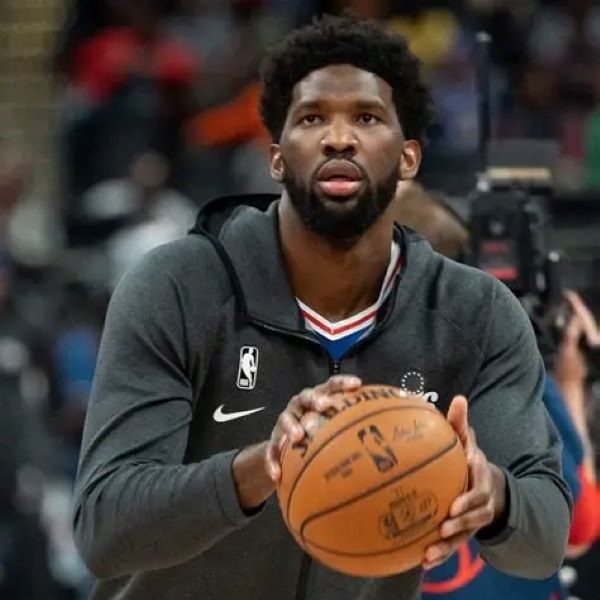 Center: The Anchor of Defense and Interior Play
Rim Protection, Rebounding, and Low-Post Presence
The center is usually the tallest player on the team. Their main jobs are protecting the rim and grabbing rebounds. They stand near the basket on defense. Their presence discourages drives. Shot blockers alter many attempts.
They control the paint. Opponents think twice before entering the lane. Centers challenge jumpers and swat dunks. This protection allows teammates to gamble more.
On offense, they score close to the basket. Post moves, drop steps, and hook shots are effective tools. They catch lobs and finish strong.
Screen-setting is another key task. Solid picks free up shooters and drivers. Centers roll to the basket after setting them.
They also command the defensive end. They direct traffic and call out screens. Communication keeps the unit organized.
Modern centers may shoot threes. Some act as playmakers from the high post. Nikola Jokić shows how skilled centers can dominate.
Great centers change games without needing high points. Their impact goes beyond the scoreboard.
How Modern Trends Are Changing Basketball Positions and Roles
Rise of Positionless Basketball
Today’s game blurs traditional lines. Coaches value skill over strict positions. As a result, basketball positions and roles evolve constantly. Teams now prioritize spacing, shooting, and switching.
Big men shoot threes. Guards grab rebounds. Forwards initiate offense. Players wear multiple hats. This shift increases pace and unpredictability.
Switch-heavy defenses require flexible athletes. Every player must guard multiple positions. Size differences matter less than foot speed.
Offensive systems like motion offense reduce fixed roles. Players cut, screen, and pass fluidly. Decision-making replaces rigid playbooks.
Young players now train for versatility. They work on shooting, passing, and defending. Specializing too early limits future options.
NBA teams reflect this trend. Lineups feature four guards or no traditional center. Winning depends on chemistry, not labels.
Still, understanding classic roles helps. It provides a foundation for growth.
Even in positionless play, knowing basketball positions and roles gives structure.
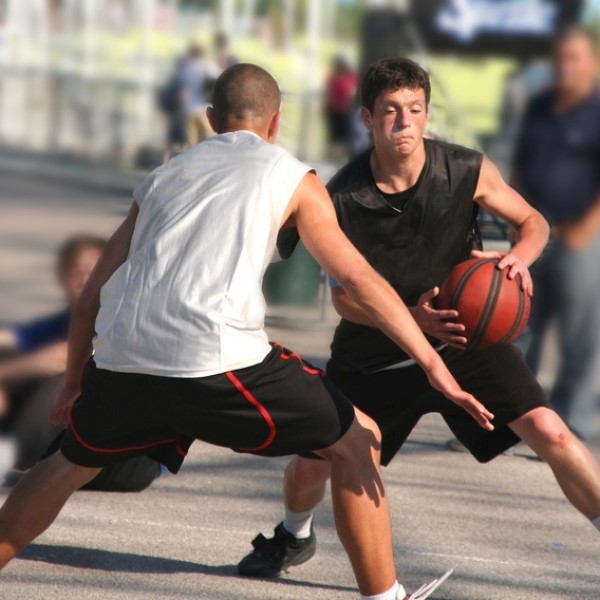 Team Strategy and Position Synergy
Building Balanced Lineups for Maximum Effectiveness
Winning teams balance basketball positions and roles wisely. A strong point guard needs shooters around them. A dominant center performs better with active guards. Chemistry multiplies individual talent.
Coaches mix sizes and styles. They pair a stretch four with an athletic slasher. They surround a playmaker with shooters. These combinations maximize spacing.
Matchup advantages guide substitutions. Smaller lineups increase speed. Bigger groups dominate the glass. Smart rotations keep players fresh.
Each position supports the others. Guards penetrate and kick. Wings spot up. Bigs clean up misses. Without cooperation, even talented teams fail.
Practice builds trust. Drills focus on timing and communication. Pick-and-roll execution requires coordination between two positions.
Team goals outweigh personal stats. Sacrificing for the win defines great units.
Understanding your role strengthens the whole. Great teams master basketball positions and roles together.
Frequently Asked Questions About Basketball Positions and Role
Common Concerns Answered Clearly
Do I have to stay in one position? No. Many players switch as they grow. Focus on improving skills.
Can a short player be a center? Rarely in pro leagues. But effort and smarts help at lower levels.
Which position scores the most? Shooting guards and small forwards often lead in points.
Who defends the best player? Usually the guard or forward closest in size.
Is height required for power forward? Not always. Skill and toughness matter more.
What if I’m good at everything? That’s ideal. Coaches love versatile players. You gain more playing time.
How do I know my best position? Try each one. Ask your coach for feedback. Play where you’re most effective.
Can a point guard be tall? Yes. Some six-foot-five players run the offense. Size offers better vision.
 Final Thoughts on Mastering Basketball Positions and Role
Growing as a Player Through Understanding
Knowing basketball positions and roles transforms how you see the game. It improves decision-making and teamwork. Whether you’re a beginner or advanced player, clarity about your job helps you succeed. Each position brings value. Together, they create a winning team.
As the sport evolves, so do roles. Yet, fundamentals remain. Mastering your strengths and supporting teammates never changes. So study, practice, and embrace your role. With dedication, you’ll grow both as a player and a teammate. Ultimately, basketball positions and roles are not just labels—they are pathways to excellence.