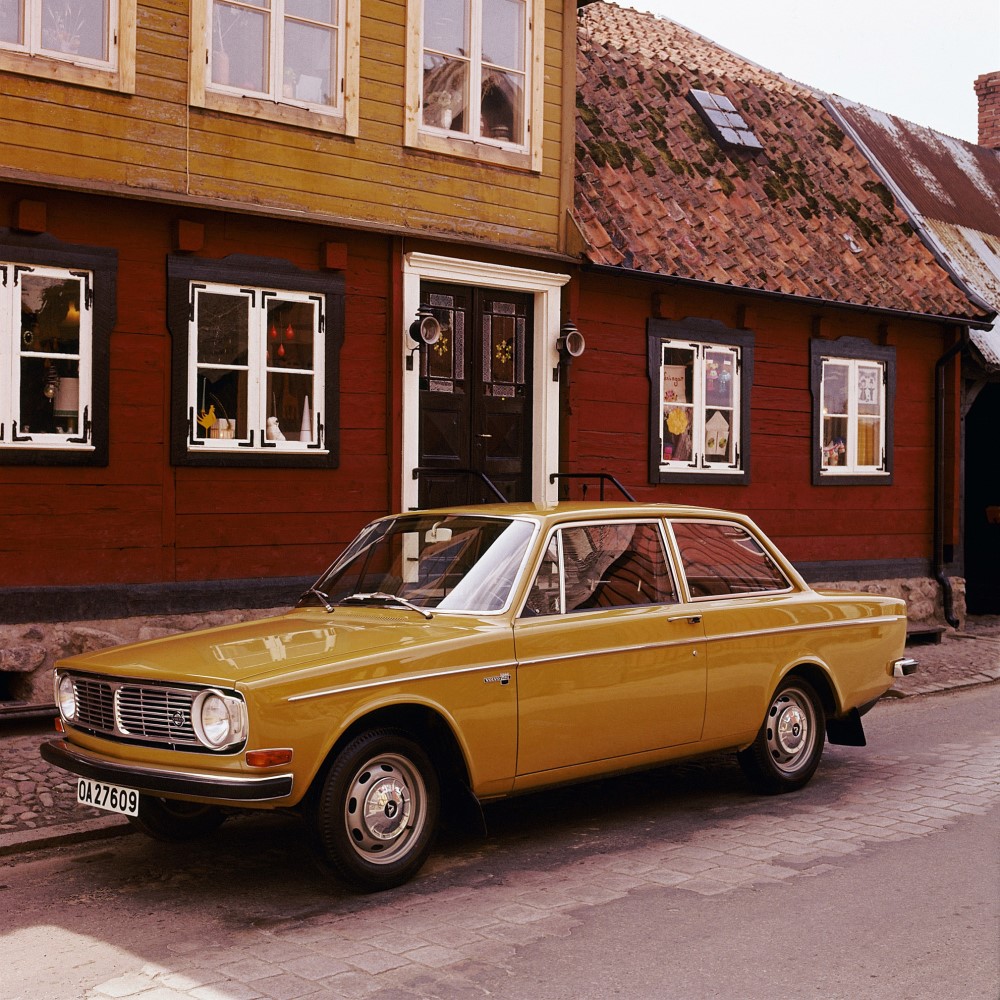
The Volvo 142 stands as a symbol of Swedish engineering excellence and rugged reliability. Produced between 1967 and 1974, this mid-size family sedan combined practical design with impressive safety features for its time. Known for its boxy silhouette and robust construction, the Volvo 142 became a favorite among drivers who valued longevity over flashiness. It was part of the 140 Series, which helped establish Volvo’s reputation in North America and Europe.
Moreover, the Volvo 142 appealed to professionals, families, and even law enforcement agencies. Its simple mechanics made it easy to repair. Replacement parts remained accessible for decades. Even today, enthusiasts restore these cars or use them as daily drivers. This guide explores every aspect of the Volvo 142, from performance and design to ownership culture and restoration tips.
 Why the Volvo 142 Was Ahead of Its Time
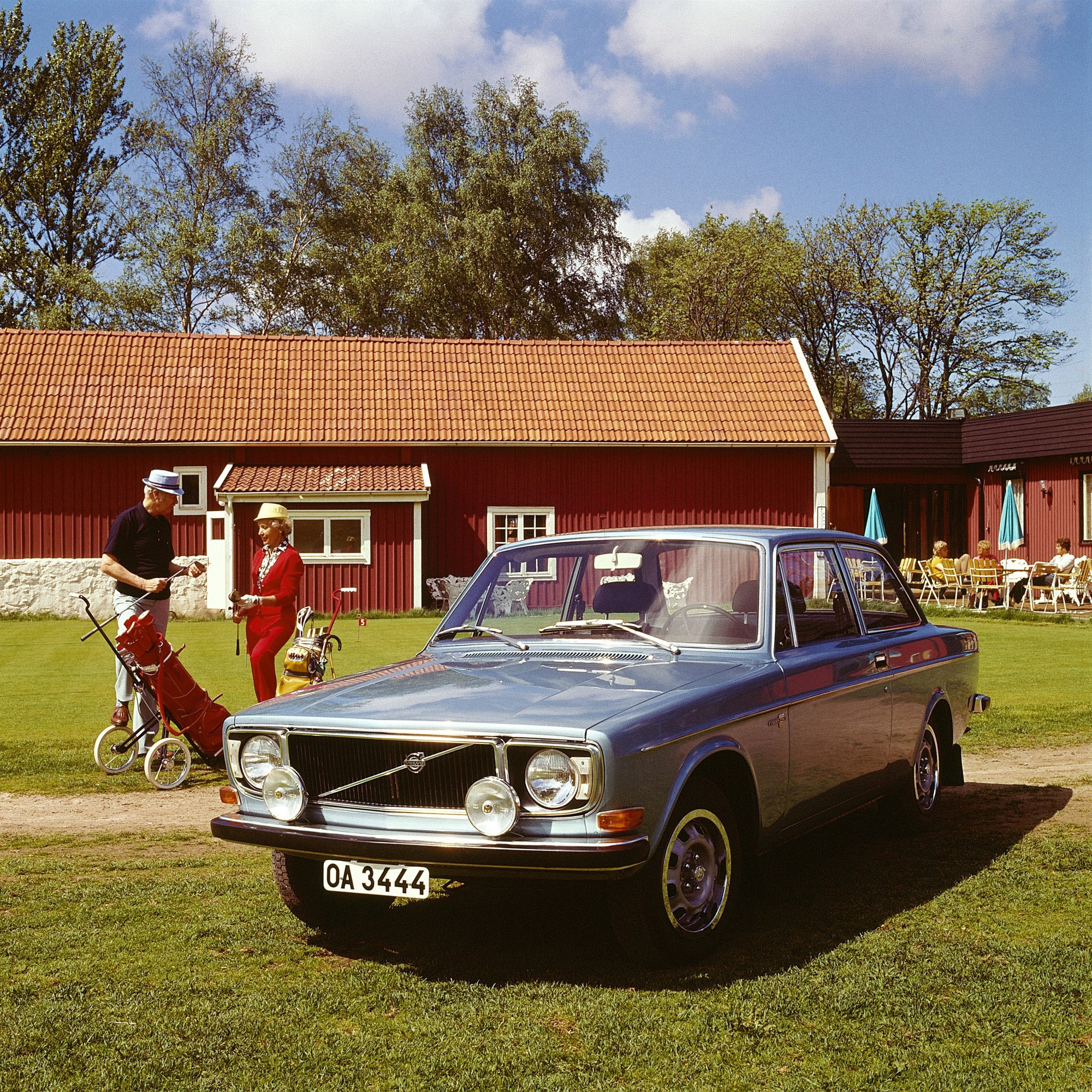
The Volvo 142 introduced several innovations that set it apart from competitors. First, it featured a unibody chassis designed for crash protection. At a time when many sedans used body-on-frame builds, this improved rigidity and handling. The front crumple zone absorbed impact during collisions. This reduced risk to passengers.
Additionally, the car included three-point seatbelts as standard equipment. Volvo pioneered this life-saving technology. The Volvo 142 made it widely available. This commitment to safety built trust with buyers. Families felt confident driving long distances.
It also offered excellent visibility. Large glass areas surrounded the cabin. Pillars were relatively thin. Drivers could see clearly in all directions. This boosted confidence on narrow roads and in heavy traffic.
Another advantage was mechanical simplicity. The inline-four engine had few electronic components. Owners could perform basic maintenance themselves. Oil changes, tune-ups, and brake work required common tools.
Heating and ventilation systems worked well. Cold climates demanded reliable defrosting. The heater kept interiors comfortable. No complex digital controls failed over time.
Finally, rust protection improved over earlier models. While not perfect, galvanized steel in key areas slowed corrosion. Many surviving examples still show solid floor pans.
Design Philosophy Behind the 140 Series
Volvo focused on function first. The Volvo 142 followed Scandinavian design principles. Clean lines, minimal ornamentation, and practicality defined its look. There were no fake vents or chrome grilles. Everything served a purpose.
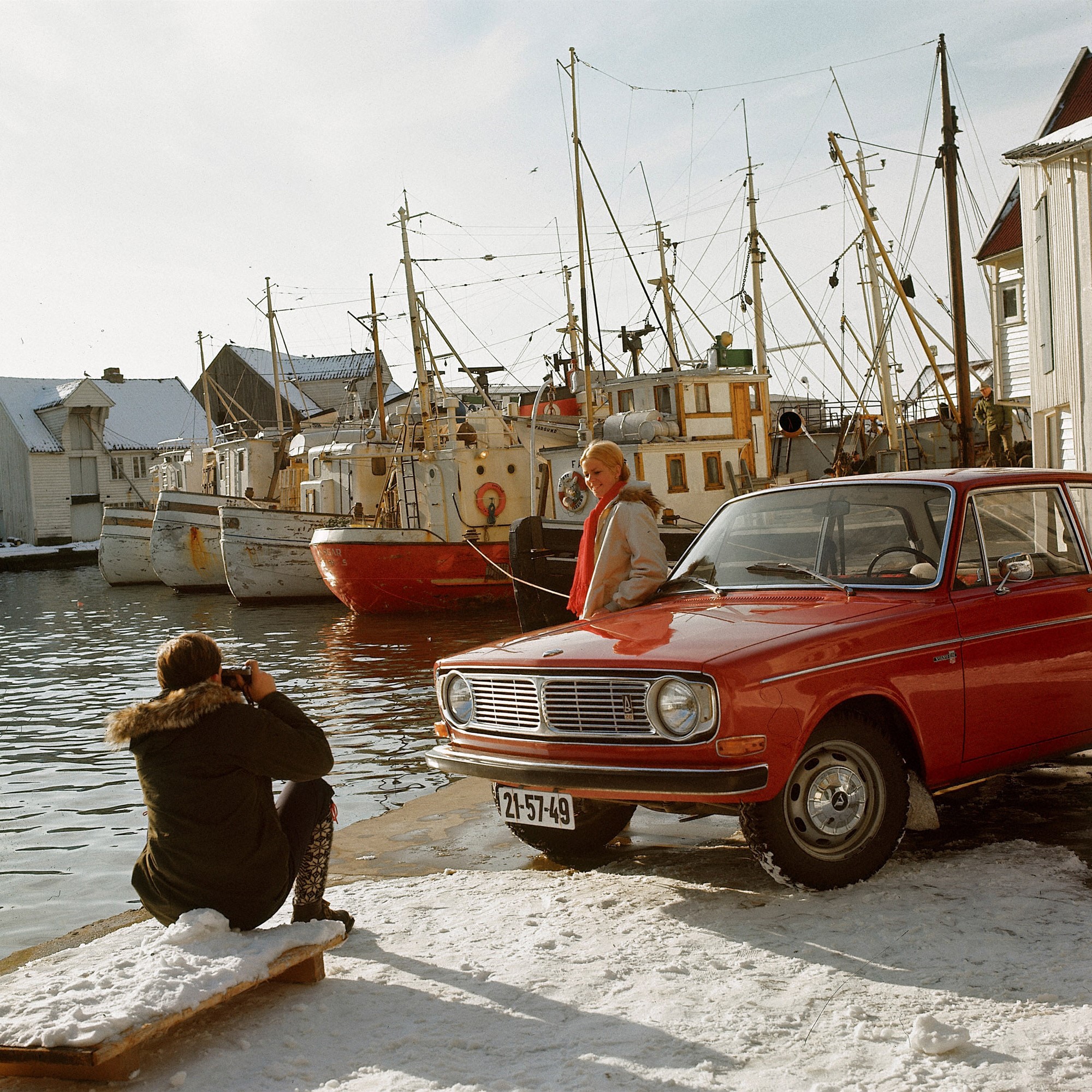
The front end featured dual round headlights. These provided strong illumination at night. Turn signals sat below the bumper. Simple and effective. Side markers added visibility during fog.
Body shape maximized interior space. Despite modest exterior dimensions, legroom was generous. Trunk capacity reached over 15 cubic feet. Fold-down rear seats expanded storage.
Interior layout emphasized usability. Gauges were clear and easy to read. Controls fell naturally to hand. The steering wheel tilted slightly toward the driver.
Materials were durable but not luxurious. Vinyl seats resisted wear. Rubber floor mats handled snow and mud. Cloth options appeared on higher trims.
Color choices reflected the era. Earth tones like olive green, dark blue, and brown dominated. Bright red and white were less common. Metallic finishes came later in production.
Every element supported long-term ownership. No fragile trim pieces broke off. Seals lasted years. This focus on endurance shaped the brand’s identity.
 Engine and Performance Specifications
The Volvo 142 launched with a 1.8-liter B18 engine. It produced around 100 horsepower. Later versions upgraded to a 2.0-liter B20 unit. Output increased slightly. Torque delivery remained smooth and predictable.
Power traveled through a four-speed manual transmission. Overdrive became optional. Some models included a three-speed automatic. Shifts were deliberate, not quick.
Acceleration was modest. Zero to 60 mph took about 13 seconds. Top speed hovered near 95 mph. This suited highway cruising but not spirited driving.
Handling stayed stable. Independent front suspension used coil springs. Rear leaf springs balanced load capacity. Steering was unassisted. Drivers felt every bump and turn.
Brakes were disc up front and drums at the rear. Stopping power was adequate. Early models lacked ABS. Skilled drivers learned threshold braking techniques.
Fuel economy averaged 20–25 mpg. Real-world results varied based on driving style. Carbureted engines responded best to steady throttle inputs.
Engine reliability was exceptional. Many units surpassed 200,000 miles. Regular oil changes and tune-ups extended life. Cooling systems rarely overheated.
Coolant leaks sometimes occurred at the thermostat housing. Replacing gaskets solved the issue. Radiators lasted if flushed regularly.
Owners praised spare parts availability. Aftermarket support grew worldwide. Classic car clubs shared sourcing tips.
Transmission and Drivetrain Options
Drivers chose between manual and automatic transmissions. The four-speed manual was most popular. Gear throws were precise. Clutch engagement felt smooth. Enthusiasts preferred this setup.
An optional overdrive unit attached to the gearbox. It reduced engine RPM at high speeds. This improved fuel efficiency and reduced noise.
Automatic versions used a Borg-Warner Type 35 transmission. Shifts were soft. Kickdown response allowed passing power. Maintenance involved regular fluid checks.
Transmission mounts wore over time. Slight vibrations signaled replacement need. Upgraded rubber inserts reduced driveline shock.
Driveshaft connected directly to the rear differential. Solid axle design ensured durability. Limited-slip differentials were rare but available.
Axle seals occasionally leaked. Inspecting during oil changes prevented major issues. Differential fluid needed periodic refreshes.
Clutch kits remained affordable. DIY repairs saved money. Online forums guided beginners through removal steps.
Four-lug wheels simplified tire changes. Standard size was 14 inches. Steel rims came stock. Alloy wheels were aftermarket upgrades.
Tire selection favored all-season tread. Snow tires improved winter grip. Load ratings matched factory specs.
 Interior Features and Comfort
Cabin comfort in the Volvo 142 focused on usability. Front bucket seats provided good support. Adjustments were manual. Headrests came on later models.
Rear seating fit three adults in a pinch. Middle passenger sat on a hump. Legroom exceeded many rivals. Long trips remained tolerable.
Dashboard design stayed straightforward. Analog gauges showed speed, RPM, fuel, and temperature. Warning lights alerted to low oil pressure or charging issues.
Center console housed the radio and heater controls. AM/FM radios were standard. Eight-track players appeared as options. Speakers delivered clear sound.
Steering column tilted for better positioning. No telescoping adjustment. Drivers found a comfortable reach. Horn ring worked reliably.
Ventilation included fresh-air intake and recirculation. Heater core warmed quickly. Defrosters cleared windshields efficiently. No climate control existed.
Storage options were limited. Glove compartment held small items. Door pockets stored bottles. Cigar lighter doubled as accessory port.
Carpeting was thick and durable. Floor mats protected against moisture. Sun visors blocked glare effectively. Vanity mirror lit via pull-cord.
Noise levels were moderate. Road and wind noise entered the cabin. Engine hum was noticeable at high RPM. Sound insulation was basic.
Still, owners appreciated clarity. No distracting alerts or chimes. Driving felt direct and honest.
 Ownership and Restoration Culture
Today, the Volvo 142 enjoys a loyal following. Classic car clubs exist in the U.S., Canada, Germany, and Sweden. Members share restoration advice, source rare parts, and organize meetups.
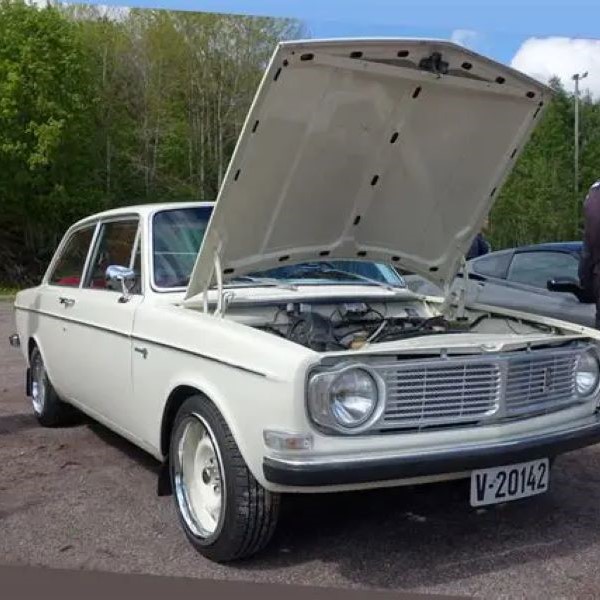
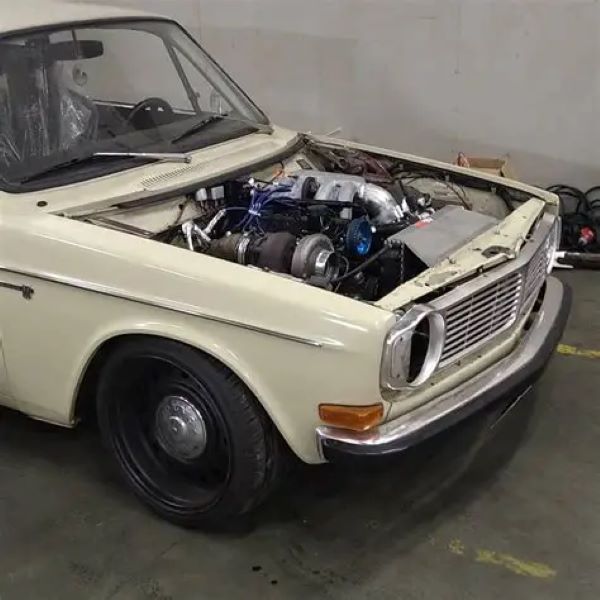
Restoration projects vary. Some rebuild original cars. Others modify for modern use. Common upgrades include seatbelt retrofits, LED lighting, and electronic ignition.
Parts availability supports long-term ownership. NOS (New Old Stock) items appear online. Reproduction trim pieces help complete restorations.
Hood emblems, badging, and switchgear are often replaced. Wiring harnesses may need renewal after 50 years. Fuse boxes corrode over time.
Enthusiasts value authenticity. Matching-numbers engines command higher prices. Original paint and interior add collector appeal.
Daily drivers remain common. These cars handle city and highway travel. Annual inspections pass without issue in most regions.
Insurance costs are reasonable. Agreed-value policies cover restored models. Liability-only plans suit budget users.
Community knowledge is vast. Forums, YouTube channels, and Facebook groups offer guidance. Seasoned owners mentor newcomers.
Classic rallies feature vintage Volvos. Parades celebrate milestones. Car shows award prizes for condition and presentation.
Tips for Buying a Used Volvo 142
Inspect for rust carefully. Check floor pans, rocker panels, and wheel wells. Undercoating hides damage. Lift the car if possible.
Start the engine cold. Listen for knocking or tapping. Blue smoke suggests oil burning. White vapor may indicate head gasket failure.
Test all electrical systems. Lights, wipers, horn, and gauges should work. Flickering needles point to grounding issues.
Examine the transmission. Shifting should be smooth. Automatics must engage without slipping. Neutral drop indicates wear.
Review service history. Regular maintenance extends life. Missing records raise red flags. Ask previous owners questions.
Verify VIN and engine number. Ensure they match documentation. Restored titles require extra caution.
Take a test drive. Feel the brakes and steering. Listen for suspension noises. Test acceleration and coast-down behavior.
Check for oil leaks. Valve cover, oil pan, and rear main seal are common spots. Minor seepage is normal. Major drips are not.
Negotiate price fairly. Condition determines value. Project cars cost less. Show-quality examples sell higher.
Frequently Asked Questions
Is the Volvo 142 fuel efficient? Yes. Expect 20–25 mpg depending on engine and driving habits.
Were convertibles made? No. Only coupe and station wagon versions existed.
Can I install modern electronics? Yes. Aftermarket radios, GPS, and chargers fit easily.
How fast does it go? Top speed is about 95 mph. Highway cruising at 65–70 is comfortable.
Are parts hard to find? Not anymore. Global networks supply nearly everything.
Was air conditioning available? Rarely. Factory A/C was uncommon. Retrofits are possible.
Does it have power steering? No. All models used manual steering.
What kind of oil should I use? 10W-30 or 20W-50 based on climate. Synthetic blends work well.
Can it tow a trailer? Light trailers under 1,500 lbs are manageable. Use proper hitch hardware.
Is it safe by today’s standards? Not compared to modern cars. However, its build quality inspires trust.
Do seatbelts come standard? Yes. Three-point belts were included from launch.
Is it expensive to insure? No. Classic car insurance is affordable. Shop around for deals.
 Final Thoughts
The Volvo 142 remains more than just an old car. It represents a philosophy—build something well, and it will last. Decades later, many still run thanks to smart engineering and owner dedication. Its influence lives on in modern Volvos.
For collectors, restorers, or weekend drivers, the Volvo 142 offers charm, simplicity, and pride. Learning how to maintain one connects you to automotive history. Whether preserved or upgraded, this classic earns respect.
Ultimately, owning a Volvo 142 means joining a global community. Passionate individuals keep the legend alive. As long as parts exist and interest grows, this iconic sedan will continue rolling forward—one mile at a time.